Vocabulary | RASA NIRVANA SPICE&SPIRIT
Know Before You Go - The Four Regions
The geography, the history, and the language behind every dish on our menu.
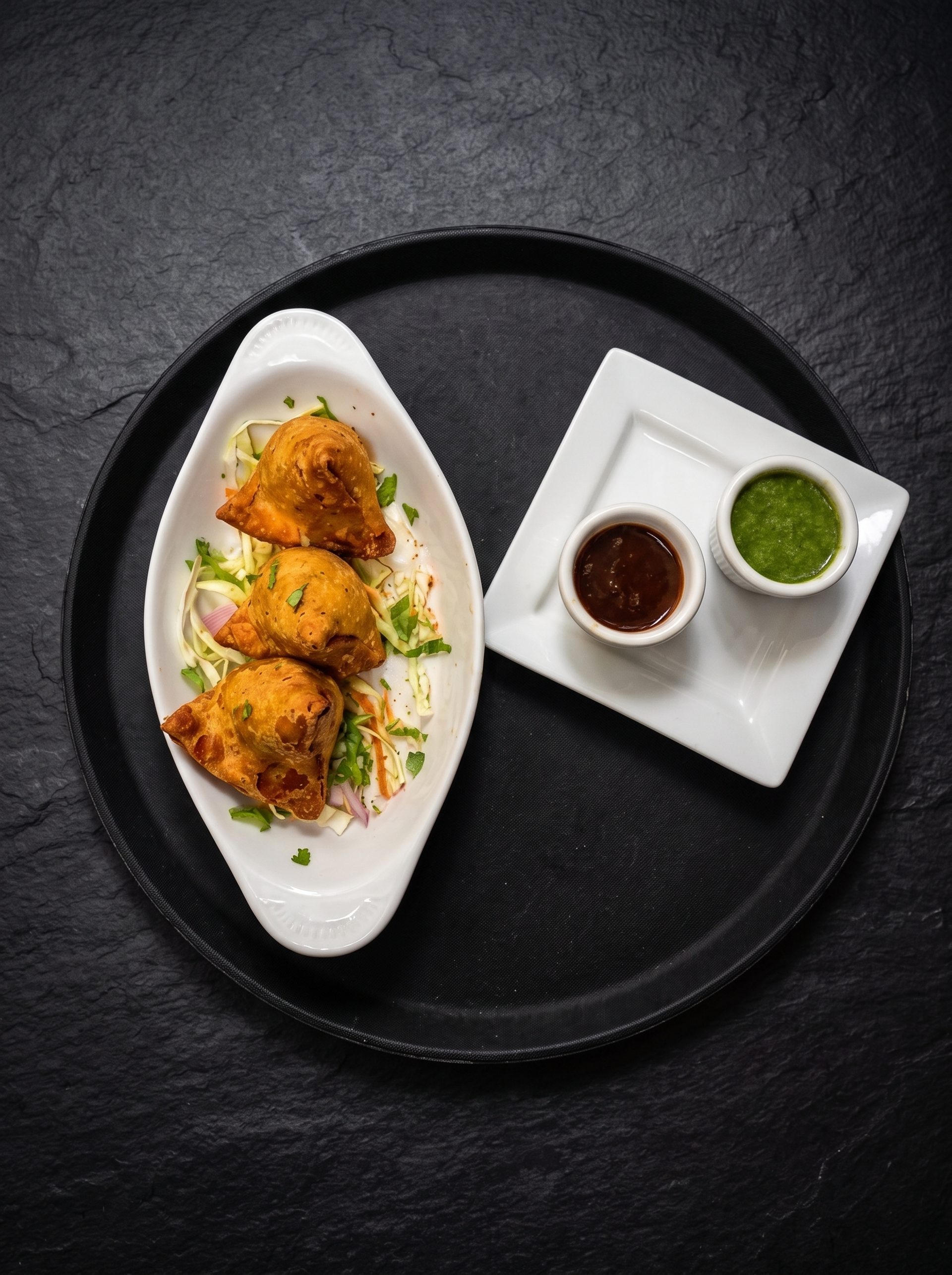
South India - Coconut, tamarind, and the fire of the south
The vast southern peninsula — Tamil Nadu, Kerala, Andhra Pradesh, Telangana, and Karnataka — shaped by the Arabian Sea, the Bay of Bengal, the Western Ghats, and a tropical climate that grows an extraordinary diversity of spices.
Culinary Facts
✦ The Western Ghats are a UNESCO World Heritage Site and one of the world's eight biodiversity hotspots — home to wild pepper, cardamom, and dozens of chili varieties native to the region.
✦ Kerala is the birthplace of black pepper, once so valuable it was called "black gold" and drove European sea exploration toward India in the 15th century.
✦ Chettinad cuisine (Tamil Nadu) is considered among India's most complex spice traditions. Spices are ground fresh daily — the same recipe made on two different days may taste distinctly different.
✦ Coconut appears in virtually every form here: grated, creamed, pressed into oil, and fermented into toddy. The coconut palm thrives along the entire coastline.
✦ Tamarind, now foundational to South Indian cooking as a souring agent, is actually native to tropical Africa — brought to the subcontinent thousands of years ago by trade routes across the Indian Ocean.
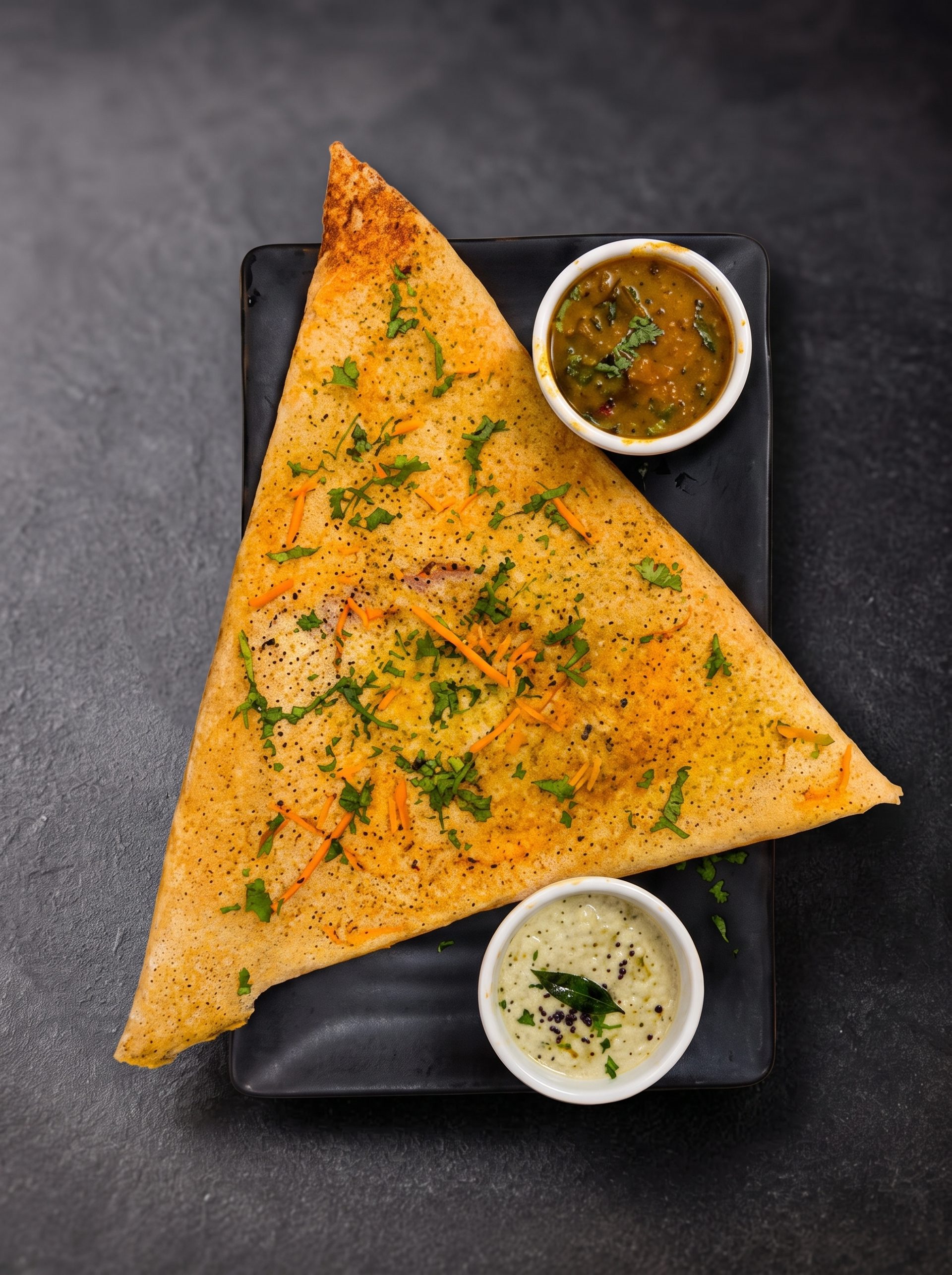
Indo-Chinese - The wok-fired streets of Kolkata
A culinary tradition born not in China, but in the streets of Kolkata (Calcutta), West Bengal — India's great gateway city. Hakka Chinese immigrants arrived in the 18th and 19th centuries and adapted wok techniques to Indian palates, chilies, and spices.
Culinary Facts
✦ The Hakka Chinese settled in Kolkata's Tangra neighborhood, which became known as "Chinatown." Their cooking fused Cantonese wok methods with Indian spices and a love of chili heat absent in traditional Cantonese food.
✦ Dishes like Chili Chicken and Manchurian have no real counterpart in China — they are uniquely Indian inventions. Manchurian sauce (soy, vinegar, chili, garlic) was reportedly created in Kolkata in the 1970s.
✦ The "kadai" (Indian wok) was already central to Indian cooking, so the Hakka technique of high-flame wok-tossing blended naturally with existing traditions rather than replacing them.
✦ Indo-Chinese food has since spread across India and is now one of the most popular styles of street food nationwide — a remarkable culinary diaspora within a diaspora.
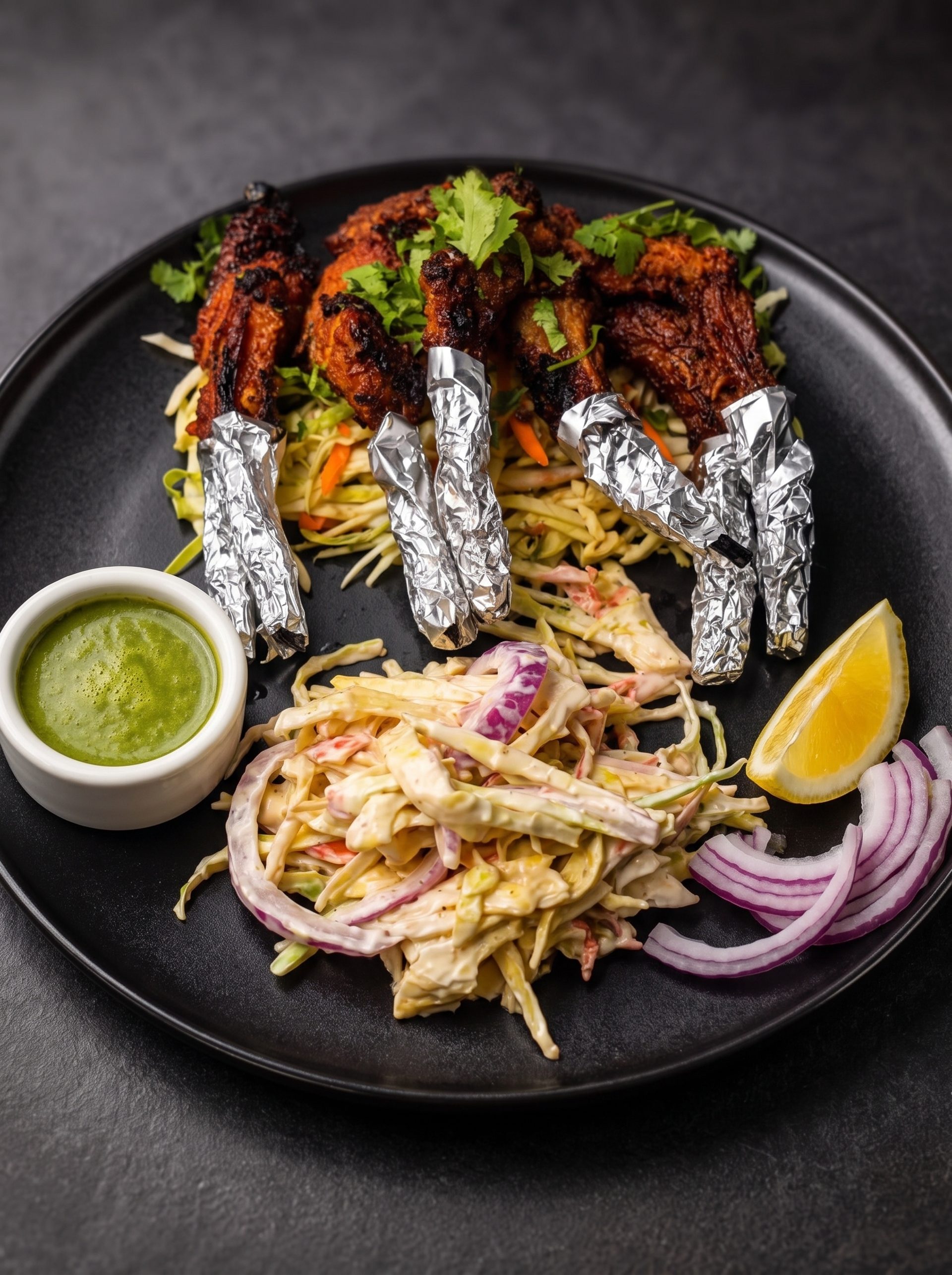
Goa - Portuguese spice trails and the Arabian Sea
A tiny coastal state on India's southwestern coast, bordered by the Arabian Sea. Goa was a Portuguese colony for 450 years (1510 to 1961) — longer than any other European power held Indian territory — leaving an indelible mark on its architecture, culture, and especially its food.
Culinary Facts
✦ The Portuguese introduced New World ingredients — chili peppers, tomatoes, potatoes, and cashews — to the Indian subcontinent through Goa. Before the 16th century, Indian "heat" came primarily from black pepper and long pepper.
✦ Vindaloo began as the Portuguese "Carne de Vinha d'Alhos" (meat in wine and garlic). In Goa, wine became palm vinegar and the garlic was bolstered with chilis — creating one of the world's most famous curries.
✦ Rechado is Goa's fiery red masala paste of dried chilis, vinegar, garlic, ginger, and spices. It is a direct evolution of Portuguese pickling traditions adapted to tropical Goan seafood.
✦ Cafreal, a herbaceous green marinade, derives from the Mozambican-Portuguese "cafreal" — a reminder of Portugal's vast global empire connecting Africa, South America, and South Asia through Goa.
✦ Cashew, now central to Indian cuisine worldwide, was introduced to Goa by the Portuguese from Brazil. Goa today distills Feni, a spirit made from cashew apple or coconut palm sap.
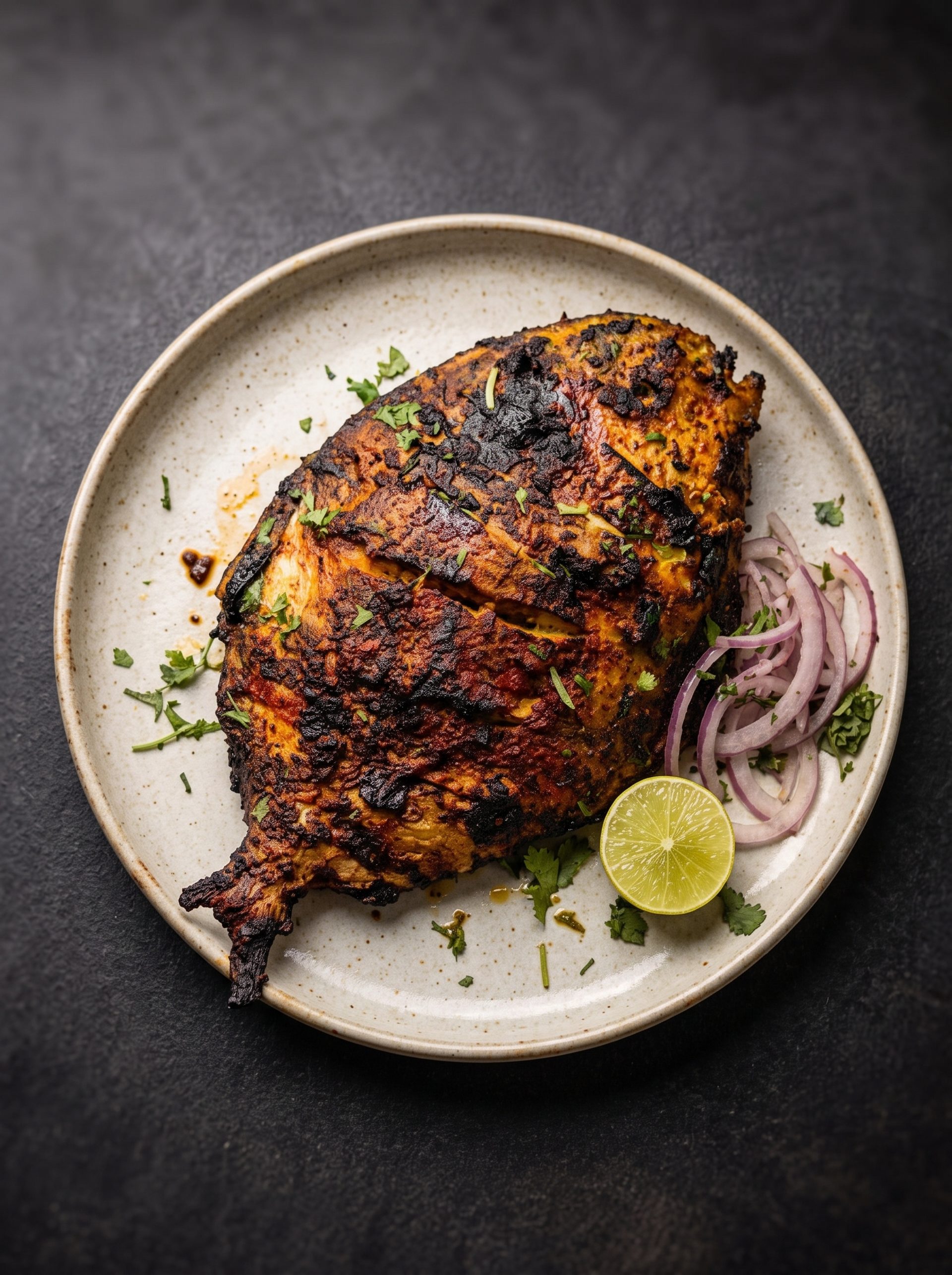
Punjab - The tandoor, the breadbasket, and bold masala
The "Land of Five Rivers" — a fertile plain straddling modern-day India and Pakistan. Punjab's agricultural abundance and martial history shaped a cuisine of exceptional richness: bold masalas, generous use of ghee and cream, and the iconic tandoor clay oven that defines the region's cooking.
Culinary Facts
✦ The tandoor clay oven is believed to be over 5,000 years old, with evidence found at Indus Valley Civilization sites. It fires at temperatures exceeding 900°F (480°C) — hotter than a conventional pizza oven — creating a char impossible to replicate.
✦ Punjab produces over 50% of India's wheat and rice, making bread an art form. The diversity of flatbreads — naan, roti, paratha, kulcha, lacchaa, puri — reflects this deep grain culture.
✦ The Partition of India in 1947 divided Punjab between India and Pakistan. The resulting mass migration spread Punjabi cuisine — the tandoor, butter-enriched gravies, and hearty lentil dishes — across the entire subcontinent and eventually the world.
✦ Butter Chicken and Dal Makhani were both created in Delhi in the 1950s by Punjabi refugees using leftover tandoori chicken and slow-cooked lentils enriched with butter and cream.
✦ Garam masala ("warming spice blend") originated in Punjab. Every family has a proprietary recipe — no two are identical.
